




















From headlines to hackers: When newsroom instincts meet cyber crisis

Published by Ashley Carter, Strategic Communications, CyberCX and former TV news producer on March 12 2026
For most of my career, the newsroom was my second home. I loved the controlled chaos, the pace, and the unforgiving deadlines. No two days were ever the same.
My job was to secure the “impossible” interview through genuine trust and care, speaking with people during some of the most stressful or heartbreaking moments of their lives. This meant turning stories around in hours, managing intense pressure and shaping narratives.
The Bondi Westfield stabbing. Profiling the incredible work of former Australian of the Year Professor Richard Scolyer. Supporting grieving families, including Clare Nowland’s, who died after being tasered in her nursing home.
It’s a world where mistakes go viral.
When I thought about the future and a profession outside of journalism, I always came up short.
That heady mix of pace and purpose was hard to find – and in a world where artificial intelligence was supposed to reshape communications, making the leap felt scary.
No one was more surprised than me to discover that the answer was cyber security. Would my newsroom muscles work in an environment of threat actors and incident response?
It turns out they do. I didn’t leave my old world behind; I brought it with me, and those skills have never been more relevant in a cyber crisis.
As a former producer and journalist, here are three areas I find most organisations fall short during a crisis.
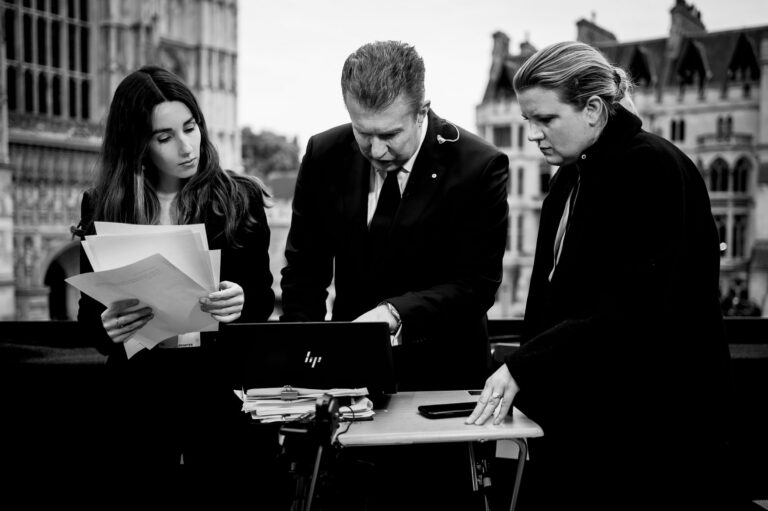
Ashley Carter (left) former journalist and TV producer covering Queen Elizabeth’s funeral
1. Too many organisations are not clear enough about what a spokesperson is.
Across industries, the role of a spokesperson remains one of the most misunderstood elements of crisis communication. During cyber incidents, organisations often default to putting the Chief Information Security Officer (CISO) in front of the cameras. While a CISO can expertly dissect the technical details, that’s not what the media is looking for.
The media and other stakeholders want to hear from the person who carries ultimate responsibility. They want to hear from the person accountable. That person sits at the top: the CEO.
When the CEO is absent, a vacuum opens and speculation rushes in. What are they avoiding? Are they up to the job? Are things worse than they seem?
A cyber incident may begin in the tech department, but it quickly becomes a whole-of-business event.
Journalists – and the public – want leadership to know and show that the buck stops with them. They want someone in control to take ownership.
It’s how an organisation shows it recognises the seriousness of an event and they’re prepared to lead through it.
2. Media training is treated as a “big deal”, instead of part of leaders’ ongoing professional development.
Media training has a way of sitting at the bottom of organisational to-do lists.
That is, until a rough news cycle hits and everyone suddenly wishes they’d done it sooner. A journalist calls asking for a quote, a snap press conference is on the cards, and in that moment, people realise how much easier the process would be if the spokesperson was already armed with the confidence, skills and message development that come from being trained like a pro.
I’ve seen this play out firsthand in a crisis in my new role. It was a high-profile case where the spokesperson had to be coached on the fly just to manage external stakeholders. When the chaos finally eased, he turned to me and said he now sees the value of doing media training before you’re thrown in the deep end. Like most things, practice makes perfect. I always recommend refreshing media training once a year so spokespeople can keep that muscle memory sharp.
3. Leaders believe journos are out to get them – when they’re actually just out for the truth.
I call this the “fear of the gotcha moment”. It’s the instinctive defensiveness that creeps in when leaders assume every question is a trap. Journalists pick up on this energy instantly and the interview is more likely to veer off course. But I’ll let you in on a little industry secret: if you’re telling the truth, you’re already giving the journalists what they’re after. They’re not chasing the “gotcha”; they’re chasing clarity. Cyber incidents move fast, information shifts day-to-day, and what the media wants most is verified facts and transparency.
Media training is one of the simplest ways to get ahead of these challenges because it gives organisations the breathing room to sort the fundamentals before the crisis hits. It helps identify who should be the public face of the crisis and how they should show up when the pressure is on. For leaders, it provides the rare opportunity to practice in a controlled environment.
At CyberCX, our experts know exactly how the media works, drawing on insider experience as producers and journalists from Australia’s top-rating news and current affairs programs.
Our media training includes:
- Media landscape overview
- Message development and framing
- Interview techniques
- Simulated cyber media interviews with on-camera coaching to refine delivery and presence
- Body language and delivery analysis.
If you’re interested in strengthening your organisation’s crisis readiness, please contact: [email protected]
While media training is an important exercise, a broader suite of communications uplift is often needed to get your organisation match-fit for a cyber crisis. See what other strategic communications services your business can benefit from to prepare, respond and recover from cyber incidents.